Ask ten seasoned cooks which is better, enameled or bare cast iron, and you’ll likely hear ten different answers. Both have earned their place in kitchens around the world. One is sleek and modern, ready for display. The other is timeless and rugged, built for a lifetime of service.
Choosing between them isn’t about prestige. It’s about knowing your style, your rhythm, and the kind of cooking you love. The right Dutch oven doesn’t just sit on a shelf. It becomes your partner through trial, error, and triumph.
What Makes Each Type Unique
Cast iron has been trusted for generations because of one unmatched quality: it holds heat better than almost any other material. Yet the choice between enameled and bare depends on how you want that power to behave.
Enameled Cast Iron
Enameled Dutch ovens are coated with a smooth, glass-like layer that prevents rust and removes the need for seasoning. They’re ideal for cooks who prefer convenience or who often cook acidic dishes such as tomato sauces, stews, and wines.
They heat evenly, look beautiful on the table, and clean easily with a sponge and mild detergent. Because the surface is non-reactive, you can cook almost anything without worrying about off-flavors.
However, enamel can chip if mishandled, and sudden temperature changes may cause cracking. Gentle care and gradual heating help them last.
Bare Cast Iron
Bare cast iron, by contrast, has no enamel coating. It requires seasoning, that thin layer of polymerized oil that builds over time and creates its nonstick surface. When cared for properly, it becomes nearly indestructible.
Bare cast iron thrives on simplicity. It sears steaks, bakes bread, and fries eggs with remarkable precision. It loves high heat and rewards those who respect it. It’s the cookware of choice for those who appreciate ritual and the satisfaction of caring for a tool that improves with every use.
Care and Maintenance
Many cooks ask, “Are Dutch ovens dishwasher safe?” or “Can Dutch ovens go in the dishwasher?”
Technically, some enameled Dutch ovens are labeled dishwasher-safe. But in practice, the answer is still no, especially if you care about longevity. Dishwashers use strong detergents and high water pressure that can dull enamel and weaken its shine over time.
Bare cast iron should never go near a dishwasher. The seasoning that gives it life can be stripped away by soap and extended soaking. Instead, clean it with warm water, a soft brush, and coarse salt if needed. Dry it immediately and apply a thin coat of oil.
Cleaning is part of the relationship. Every rinse, every polish, and every wipe adds another layer of care to your craft. To understand how care connects to character, see Seasoning Stories: The Art of Care and Patience. It explores the deeper philosophy behind maintaining cast iron.
When Enameled Shines and When Bare Beats All
Both deserve respect, yet each excels in its own setting.
When Enameled Shines
Enameled cast iron is perfect for slow-simmering stews, braises, and sauces that benefit from even, steady heat. It’s a great choice for cooks who value convenience, beauty, and easy maintenance. Because it transitions seamlessly from stove to table, it adds elegance to presentation and makes cleanup simple.
If you love meals that impress without much upkeep, enameled cast iron will serve you well.
When Bare Beats All
Bare cast iron thrives under challenge. It handles searing, baking, and roasting with confidence. The more you use it, the better it performs. Its surface evolves with every meal, turning into a naturally nonstick layer that reflects your persistence.
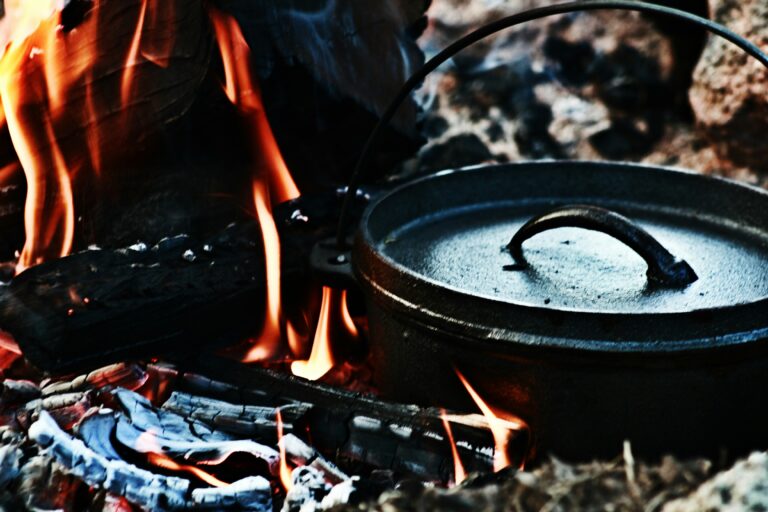
It also performs exceptionally well outdoors or over open flame, where enamel might not survive. If your cooking style is hands-on, bold, and rooted in tradition, bare cast iron will feel like part of you.
Which One Matches Your Cooking Personality
In actuality, your decision depends more on your personal temperament than price.
- If you value precision and presentation: Choose enameled cast iron. It’s refined, colorful, and forgiving.
- If you value process and progress: Choose bare cast iron. It rewards patience, builds resilience, and ages beautifully.
- If you value flexibility: Use both. Enameled for delicate sauces, bare for robust, high-heat meals. Together, they can handle everything from weekday dinners to weekend experiments.
There’s no single correct answer. The best choice is the one that makes you want to cook more often.
Care Tips That Extend the Life of Both
A few simple habits can keep both versions in their prime:
- Preheat gradually: Avoid sudden temperature shifts that can stress enamel or metal.
- Use wooden or silicone utensils: They protect the cooking surface.
- Clean gently: Mild soap for enameled, warm water and salt for bare.
- Store completely dry: Moisture invites rust and enamel wear.
- Respect the patina: Small stains or discoloration are signs of life, not damage.
With consistent care, your Dutch oven can outlive its owner and become a story passed on.
Author’s Note
Whether it’s cast iron or enameled, both taught can teach you valuable lessons not learned from recipes alone. Important lessons that every self-respecting chef who values their technique and craft will need to know: patience, respect, and the beauty of simple tools that do extraordinary things.
Reader’s Reflection
Which version speaks to your heart? Is it the rugged honesty of bare cast iron, or the quiet elegance of enamel? Think about it. Your answer might reveal more about your cooking journey than any recipe ever could.
Now, dear friend, Go, and Cook Forth.