Articles

Enameled vs. Bare Cast Iron: Which Belongs in Your Kitchen?

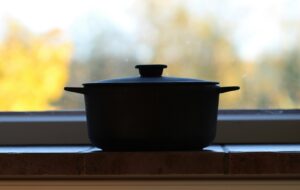
Ask ten seasoned cooks which is better, enameled or bare cast iron, and you’ll likely hear ten different answers. Both have earned their place in kitchens around the world. One is sleek and modern, ready for display. The other is timeless and rugged, built for a lifetime of service. Choosing between them isn’t about prestige. It’s about knowing your style, your rhythm, and the kind of cooking you love. The right Dutch oven doesn’t just sit on a shelf. It becomes your partner through trial, error, and triumph. What Makes Each Type Unique Cast iron has been trusted for generations because of one unmatched quality: it holds heat better than almost any other material. Yet the choice between enameled and bare depends on how you want that power to behave. Enameled Cast Iron Enameled Dutch ovens are coated with a smooth, glass-like layer that prevents rust and removes the need…
Seasoning Stories: The Art of Care and Patience

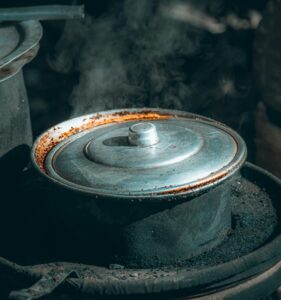
A well-seasoned Dutch oven does more than cook food; it builds character. This article explores what seasoning really does, how it affects your health and your cookware, and why the act of care turns cooking into mindfulness. You’ll learn how Dutch ovens remain naturally non-toxic, the right way to season them, the mistakes most people make, and how patience shapes the flavor and the story of every meal you create. What Seasoning Actually Does When you season a Dutch oven, you create a protective layer between the iron and your food. It’s a simple process: oil meets heat, transforms, and bonds to the metal surface. The result is a smooth, naturally nonstick finish that resists rust and adds richness to everything it touches. Many people wonder if Dutch ovens are healthy or non-toxic. The short answer is yes. Both bare and enameled cast iron are among the healthiest cookware materials…

The Hidden Art of Restoration

Bringing Old Cast Iron Back to Glory Some tools are too faithful to be discarded. A rusted skillet, a soot-stained Dutch oven, or a forgotten pot tucked away in a grandmother’s cupboard all hold quiet stories waiting to be revived. This article explores the art of restoring cast iron. You will learn how to strip away years of neglect, remove rust safely, and bring your cookware back to life. Along the way, you’ll see that restoration is not only about metal; it’s about rediscovering patience, skill, and respect for the tools that have stood the test of time. Why Restoration Matters There’s something deeply satisfying about saving an old piece of cast iron. Each pan carries a history: meals cooked, families gathered, laughter shared. Even when time dulls its surface or covers it in rust, its strength remains underneath. Restoration honors that history. It proves that good craftsmanship never truly…

The Legacy That Heats Through Generations

There’s something almost sacred about the weight of a cast-iron pot in your hands. It’s heavy, yes, but so is its history. Every mark, every darkened patch of seasoning carries the memory of meals that fed families and forged stories around flickering firelight. There’s a plethora of materials any cook can conjure meals with: stainless steel, copper, even the high-tech pans with fancy coatings. Yet nothing feels as alive, or as loyal, as cast iron. It’s more than a tool. It’s a teacher. It rewards patience, punishes neglect, and gives back flavor richer than memory itself. From Fire to Family Tradition: A Short History of Cast Iron Cast iron is among humanity’s oldest culinary companions. Long before restaurant kitchens gleamed with chrome and gas burners, food simmered in pots suspended over open flames. The earliest cast-iron cookware turned simple ingredients into sustenance through a union of earth, fire, and human…

The Science of Seasoning: Why Patina Means Flavor

Cast iron rewards care with something priceless: a surface that grows better with age. This article explores the science and soul of seasoning, showing how oil and heat form the protective patina that gives cast iron its depth of flavor, its natural resilience, and its signature nonstick surface. You will learn how seasoning works, why it matters, and how to cultivate it with the patience of a craftsman. In the end, you’ll see that the secret to great cooking lies not in perfection but in the quiet partnership between time, heat, and care. What Seasoning Really Is Seasoning isn’t magic; it’s chemistry wrapped in ritual. When oil meets hot iron, the molecules change. The fat polymerizes, binding itself to the metal and creating a thin, durable layer that resists rust and releases food easily. Over time, each use deepens this coating, producing the dark, glassy finish known as patina. This…