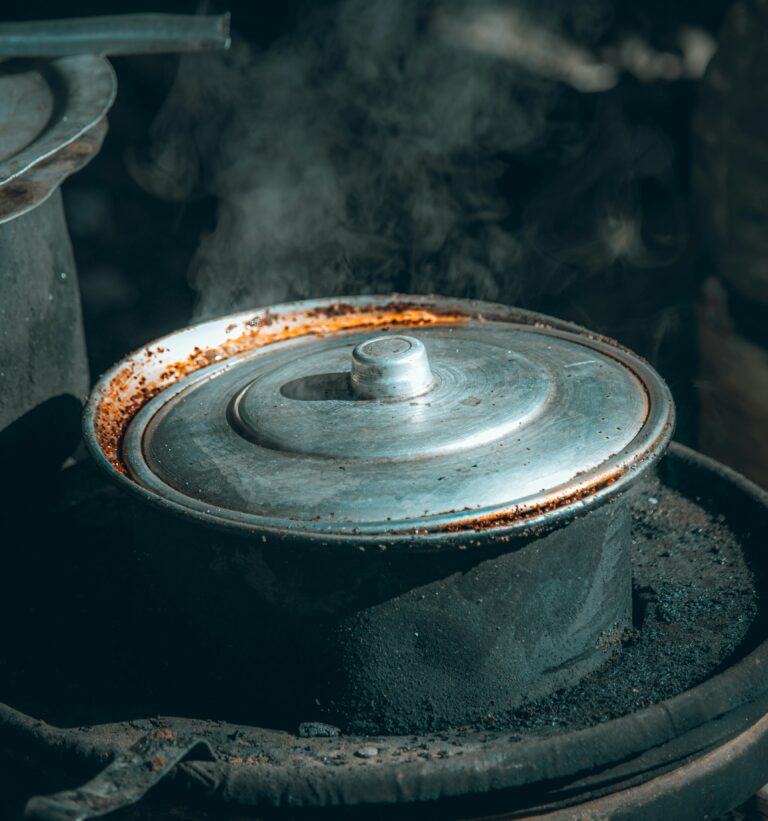
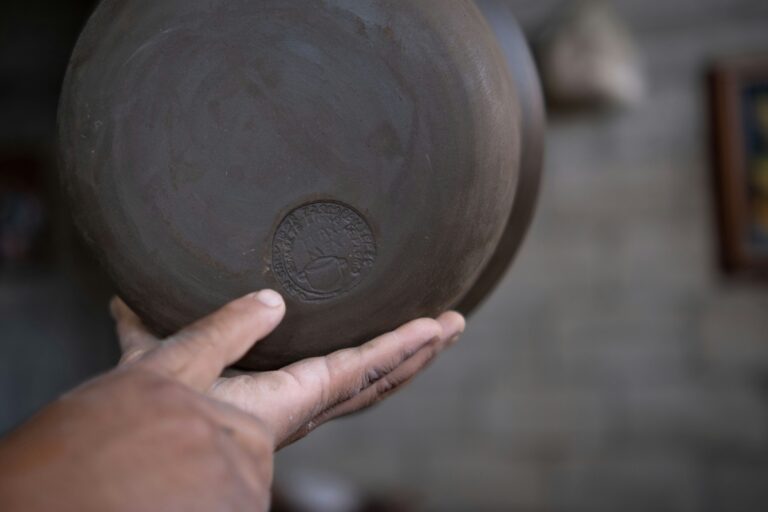
There’s something almost sacred about the weight of a cast-iron pot in your hands. It’s heavy, yes, but so is its history. Every mark, every darkened patch of seasoning carries the memory of meals that fed families and forged stories around flickering firelight. There’s a plethora of materials any cook can conjure meals with: stainless steel, copper, even the high-tech pans with fancy coatings. Yet nothing feels as alive, or as loyal, as cast iron. It’s more than a tool. It’s a teacher. It rewards patience, punishes neglect, and gives back flavor richer than memory itself.
From Fire to Family Tradition: A Short History of Cast Iron
Cast iron is among humanity’s oldest culinary companions. Long before restaurant kitchens gleamed with chrome and gas burners, food simmered in pots suspended over open flames. The earliest cast-iron cookware turned simple ingredients into sustenance through a union of earth, fire, and human need.
When the Dutch perfected the method of sand-molding molten iron, the “Dutch oven” was born: a lidded pot that could handle fire from above and below. Colonists brought it across oceans; pioneers carried it west. It baked bread, roasted meats, stewed wild game, and outlasted empires.
How the Dutch Oven Became a Culinary Icon
To clear up a common question: Are Dutch ovens and cast iron the same?
Not exactly, though they share the same lineage. Cast iron refers to the material itself; iron melted, poured, and molded into shape. A Dutch oven is one of its finest expressions: a deep, lidded pot, traditionally made of cast iron, used for everything from slow-braised stews to crusty loaves of bread.
Over time, Dutch ovens became icons not only for their function but for what they represented: endurance, craftsmanship, and comfort. Whether bare or enameled, they bridge old-world tradition with modern creativity.
What Makes Cast Iron Special: Durability, Flavor, and Memory
If you’ve ever held a cast-iron skillet that’s been passed down through generations, you’ll know there’s something nearly immortal about it. Once seasoned properly, it doesn’t just cook, it commits. It absorbs stories, evolving with every use.
Durability is its first gift. Drop it, scrape it, heat it; cast iron shrugs off abuse that would destroy lesser pans. With care, it will outlive you.
Its second gift is flavor. The more you cook, the more complex the surface becomes; a seasoned cast-iron pot infuses dishes with depth and a touch of smoke that no nonstick coating can replicate.
And its third gift is memory. You can feel it in the hiss when you lay down a piece of meat, in the way a stew thickens just right without scorching. It’s as if the metal itself remembers how your grandmother stirred her sauce.
Why Cast Iron Still Matters in Modern Cooking
Some might ask, with all the new cookware technology, why still use cast iron? The answer is simple: because truth doesn’t age.
Cast iron remains relevant because it aligns with what modern cooks crave: connection, sustainability, and mastery. It demands mindfulness. You don’t rush a Dutch oven; you honor it. It teaches you to slow down, to listen to your ingredients, to trust heat rather than fear it.
Perhaps that’s why cast iron is resurging among foodpreneurs and home chefs alike. In an age of convenience, it stands for craft. It reminds us that you can make something lasting here.
Passing It On: Cooking as Legacy and Love
There are countless kitchens worldwide, everything from grand restaurant brigades and humble home counters alike, and there are stories that resonate universally. The ones where a son cooks from his late mother’s recipe card, using the same pot she once used. The ones where a young foodpreneur buys her first cast-iron Dutch oven and calls it “an investment in belief.”
Cooking, at its core, is an act of care, and cast iron carries that care forward. It’s not disposable or replaceable. You season it, clean it, store it, and one day, you hand it down. That act of passing on something you’ve nurtured turns cookware into heirloom and routine into ritual.
What we really pass on isn’t just iron. It’s intention: the desire to feed, to share, to gather. The courage to keep cooking even when the first loaf burns or the first sauce curdles. Cast iron reminds you that mastery comes not from perfection but from persistence.
That’s why I believe every cook, whether they’re a weekend enthusiast or an aspiring entrepreneur, should own at least one good Dutch oven. It’s a piece of living history that still has more to teach us.
Final Thoughts
Cast iron endures because it mirrors us. It bears scars, improves with care, and rewards time invested. It teaches humility: that real heat control comes from practice, not precision instruments. And it holds memory of who we cooked for, what we dared to try, and how far we’ve come.
If you let it, a single Dutch oven can become a storyteller that bridges generations. In its quiet resilience, you’ll find your own.
So take that old pot down from the shelf. Wipe it clean. Light the flame. And let legacy do what it does best: heat through generations.
Author’s Note
From all the burnt stews, dropped lids, and scorched loaves, cast iron never holds grudges. It just asks to try again. If this piece inspires you to cook something slowly, with heart, then it’s done its job. Remember, every master was once someone who refused to give up after dinner went wrong.
Reader’s Reflection
Who first taught you to cook? And if you could pass one dish, or one pan, down to the next generation, what would it be?
Think about it, and when you’re ready, Go, and Cook Forth.